


What is RT?
Respiratory Therapy is a growing allied health profession focused on the assessment, treatment, and management of patients with acute and chronic cardiopulmonary disorders.
Respiratory Therapists play a critical role in healthcare by supporting airway management, optimizing ventilation, and improving overall patient outcomes across a wide range of clinical settings.

What is an RRT?


Registered Respiratory Therapists (RRTs) are state-licensed and nationally certified healthcare professionals who treat patients of all ages, from neonates to adults.
They utilize a diverse set of modalities, advanced medical devices, and evidence-based treatment protocols to manage conditions such as respiratory failure, asthma, chronic obstructive pulmonary disease (COPD), and cardiac-related breathing disorders.
Their ultimate goal is to maintain and restore effective breathing while improving patient quality of life.
Why EMS Professionals Make Great Respiratory Therapists


AIRWAY MASTERY
Critical Airway Management
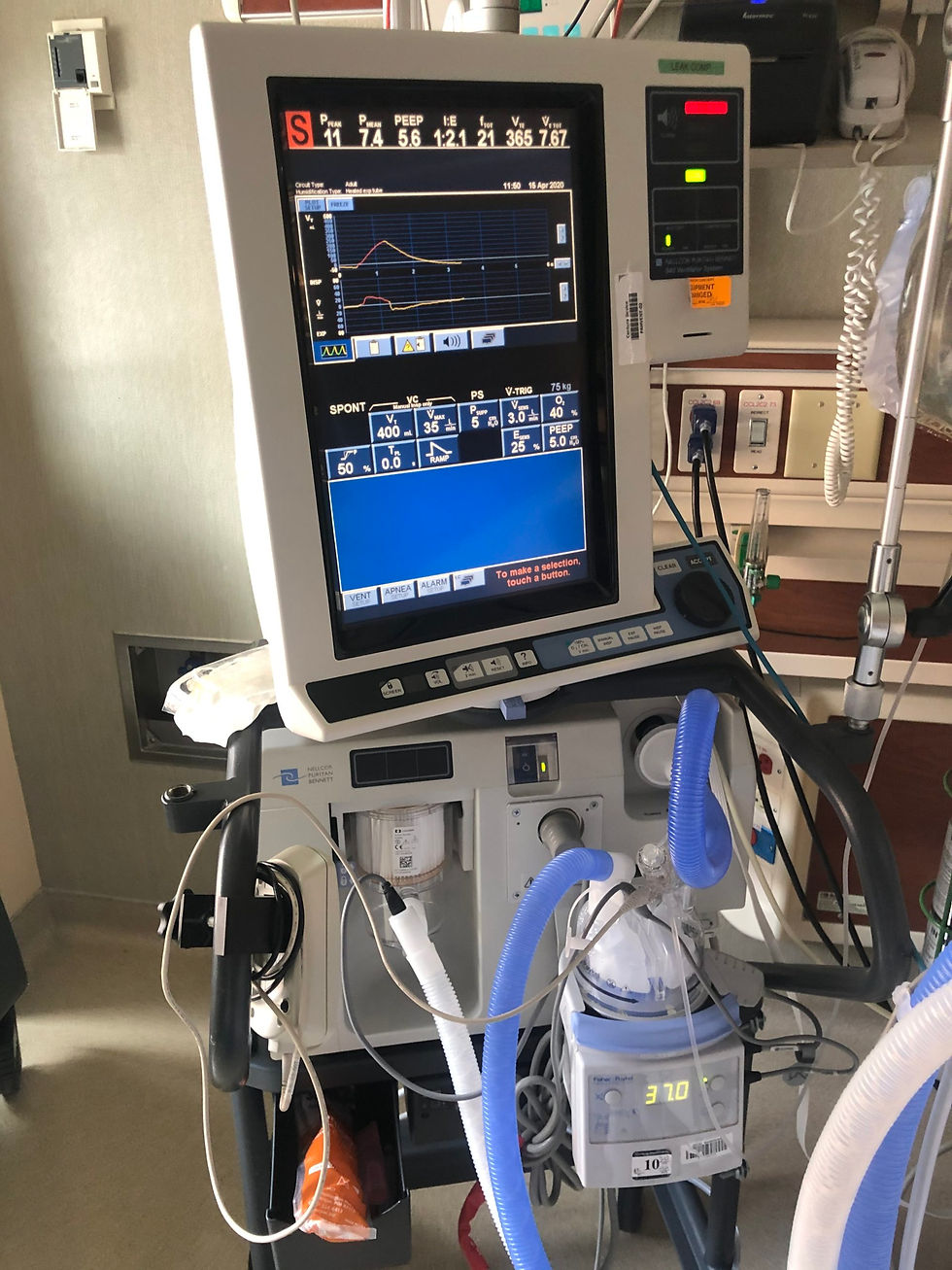
EMS professionals are clinical leaders in intubation and airway care. Transition your expertise into mechanical ventilation and advanced oxygen devices to enhance your skills and knowledge.
RT & EMS Educational Overlap
Respiratory Therapy Path
- Cardiopulmonary Anatomy & Physiology
- Mechanical Ventilation
- Pulmonary Diagnostics
- Neonatal & Pediatric Respiratory Care
- Respiratory Pharmacology
- ICU-focused clinical rotations
General Education Overlap
- Human Anatomy & Physiology I & II
- English Composition
- College Algebra or Statistics
- General Biology
- Psychology or Communication
Paramedic Path
- Fundamentals of Paramedic Practice
- Paramedic Cardiology & ECG Interpretation
- Paramedic Medical & Trauma Emergencies
- EMS Operations & ALS Labs
- Paramedic Pharmacology
- Field internships & ride-along rotations
How Much Respiratory Knowledge Do You Already Have?
Test your respiratory foundation with these 10 questions!
ANSWER KEY BELOW
1. Which lung sound is most associated with bronchospasm?
2. Which structure is primarily responsible for gas exchange in the lungs?
3. A patient with COPD retains CO₂. This condition is best described as:
4. Which respiratory muscle contributes most to normal inspiration?
5. A patient with an upper airway obstruction often presents with which lung sound?
6. Which oxygen delivery device typically provides the highest FiO₂ in a spontaneously breathing patient?
7. In mechanical ventilation, PEEP is primarily used to:
8. Which condition is most commonly associated with crackles (rales) on lung auscultation?
9. Which value from an arterial blood gas reflects the patient’s ventilation status?
10. Which condition can cause absent or severely diminished breath sounds on one side of the chest?
Answer Key: How Much Respiratory Knowledge Do You Already Have?
1. Which lung sound is most associated with bronchospasm?
2. Which structure is primarily responsible for gas exchange in the lungs?
3. A patient with COPD retains CO₂. This condition is best described as:
4. Which respiratory muscle contributes most to normal inspiration?
5. A patient with an upper airway obstruction often presents with which lung sound?
6. Which oxygen delivery device typically provides the highest FiO₂ in a spontaneously breathing patient?
7. In mechanical ventilation, PEEP is primarily used to:
8. Which condition is most commonly associated with crackles (rales) on lung auscultation?
9. Which value from an arterial blood gas reflects the patient’s ventilation status?
10. Which condition can cause absent or severely diminished breath sounds on one side?
.jpg)
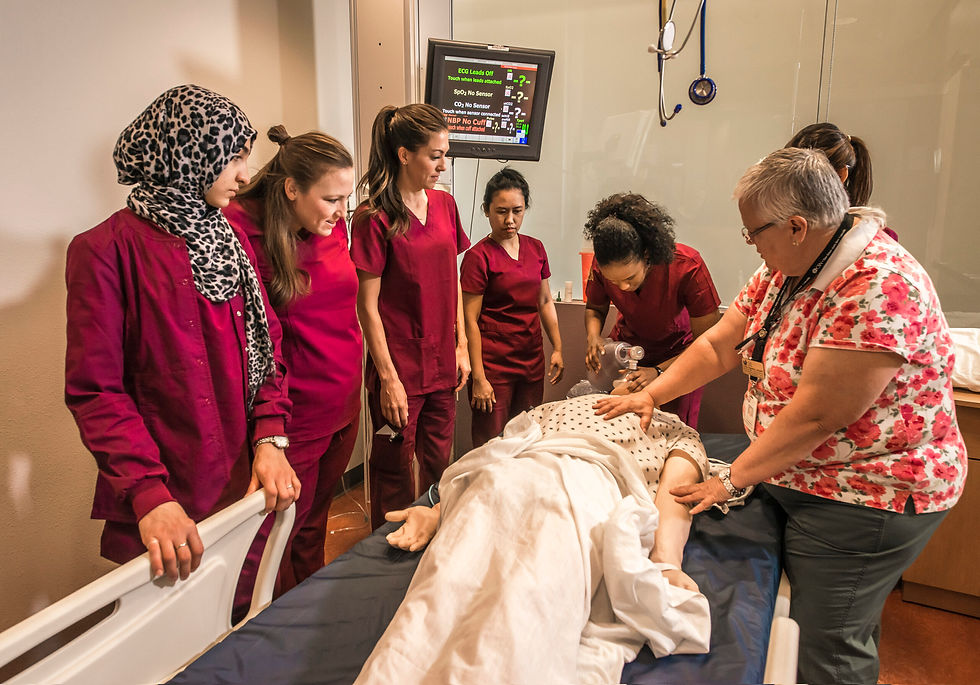
College of Southern Nevada's BAS in Cardiorespiratory Sciences
Transitioning from EMS to Respiratory Therapy requires a clear roadmap. We provide comprehensive guides designed specifically for your experience level, ensuring you leverage your frontline medical skills while mastering the nuances of respiratory care. Discover how your current certifications translate into program credits and long-term career growth.
Why RT?
Work in any Setting- ER, ICU, Med Surge, Rehab, Sleep Study, CCT
-RT's work in varied settings. From the ICU, ER, outpatient clinics, and even fixed and rotary wing emergency transport.
ICU


Pulmonary Rehab
Critical Care Transport

Neonatal ICU

Why RT? 90% Work Week
-RTs can breathe easy knowing their work-life balance is optimal with a 36 hour work week.
-Like EMS, a 90% work week is a typical schedule for an RT

-Enjoy more time off for your family, hobbies, and personal interest
Why RT? High Return on Investment
Respiratory Therapy is widely considered one of the highest return-on-investment (ROI) careers in healthcare, particularly when comparing the relatively low cost and short duration of education to the earning potential after graduation
-
Associate degree programs can cost as little as $7,000–$15,800 at community colleges
-
Median salary: ~$80,450 per year


Why RT:
Advance Your Career with Special Certifications and Adanced Degrees
Specialty certifications:
-Adult Critical Care (ACCS)
-Neonatal/Pediatric (NPS)
-Sleep Disorders (SDS)
-Asthma Educator (AE-C)
-Registered Pulmonary Function Technologist (RPFT)
Advanced Degrees (Bachelors & Masters in Respiratory Care):
-Leadership Positions
-Management Roles
-Research Opportunities
-Advanced Practice